
Fire lawyer or public adjuster?
How to tell which one your claim needs, and when it needs both
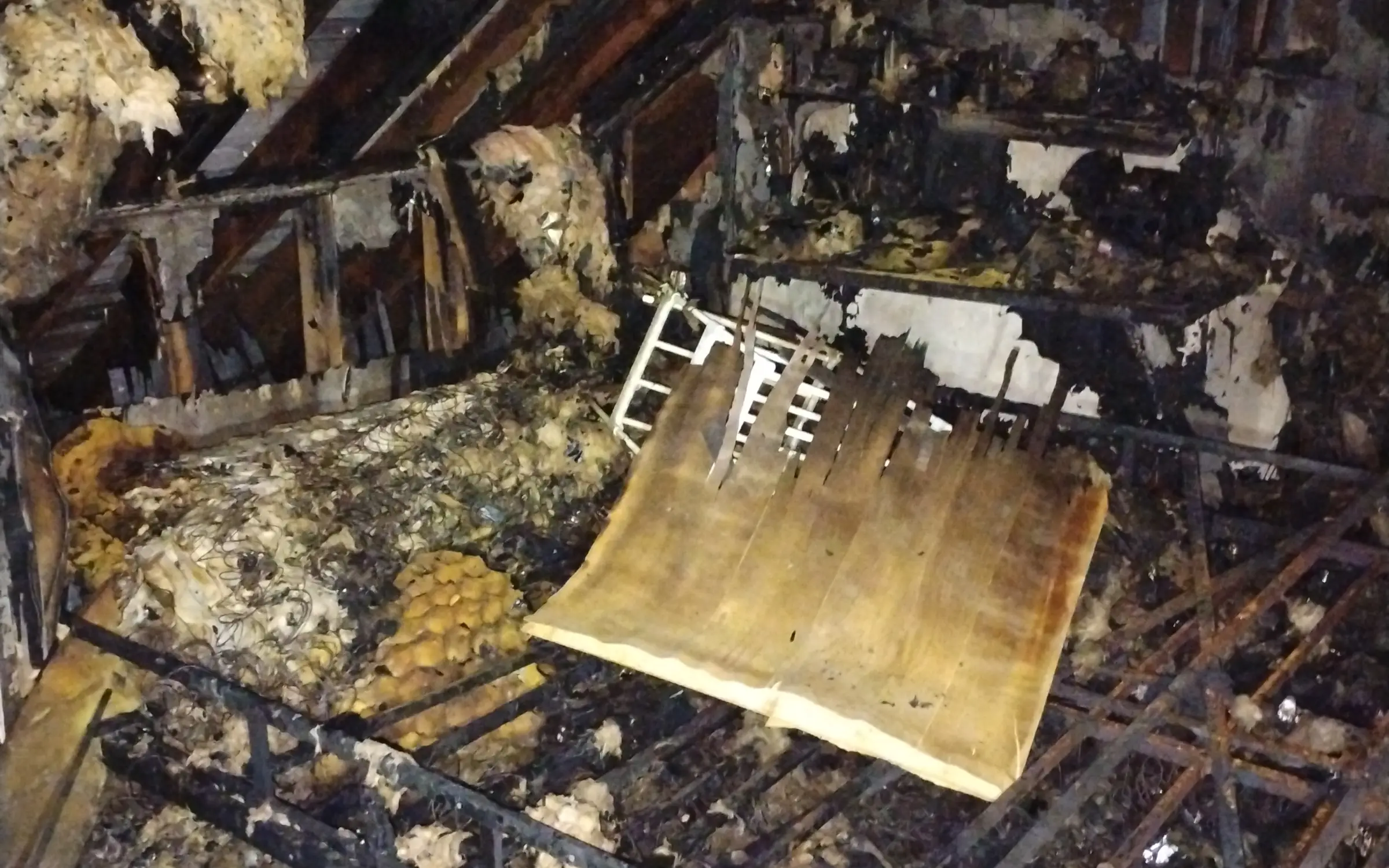
After a fire, a lot of people search for a lawyer first. It makes sense: you want someone on your side, and most people have never heard of a public adjuster. But most fire claims aren't legal fights. They're a documentation and negotiation job, and that calls for a different kind of help.
Two different jobs
A public adjuster is licensed by the state to represent you on the claim itself: documenting the damage, pricing the rebuild and everything you lost, and negotiating with the insurance company until the claim is paid. A fire attorney handles the legal side: disputes over coverage, lawsuits and court.
- A public adjuster builds the claim and negotiates it. Paid from what's recovered on the claim, with no fee until you recover.
- A fire attorney handles legal disputes and can take the insurance company to court. Usually paid a share of what's recovered, sometimes by the hour.
When a public adjuster is the right call
- The fire is covered, and the question is how much. That's most fire claims.
- The estimate looks thin. Rooms, smoke damage or belongings are missing, or the numbers don't match what it will cost to rebuild.
- You can't build the claim yourself. Documenting a whole house and everything in it takes time and know-how most families don't have while they're displaced.
When you need an attorney
- There's a legal fight over whether the policy covers the fire at all.
- The insurance company is investigating you, for example for arson or misrepresentation.
- You've been asked for a sworn statement or an examination under oath and want legal advice before you give it.
- Someone was hurt, or the claim is heading to court.
Most claims that need a lawyer still need us
Even when a claim goes legal, someone still has to document and price it. Fire attorneys often bring in a public adjuster to do exactly that, because a case is only as strong as the numbers behind it.
Only a handful of attorneys focus on property fire claims, and we work with most of them in the areas we serve. If your claim ever needs one, we'll tell you, recommend the right one, and keep building the claim alongside them.
A practical note: this guide explains the difference in general terms and isn't legal advice. If you've been accused of something or asked for a sworn statement, talk to an attorney before you answer.
Not sure which you need? |Ask us first.
We'll tell you honestly whether your claim needs a public adjuster, an attorney or both, before you sign anything.