
Rental property fire claims in Michigan
What a landlord's policy covers after a fire, and what it doesn't
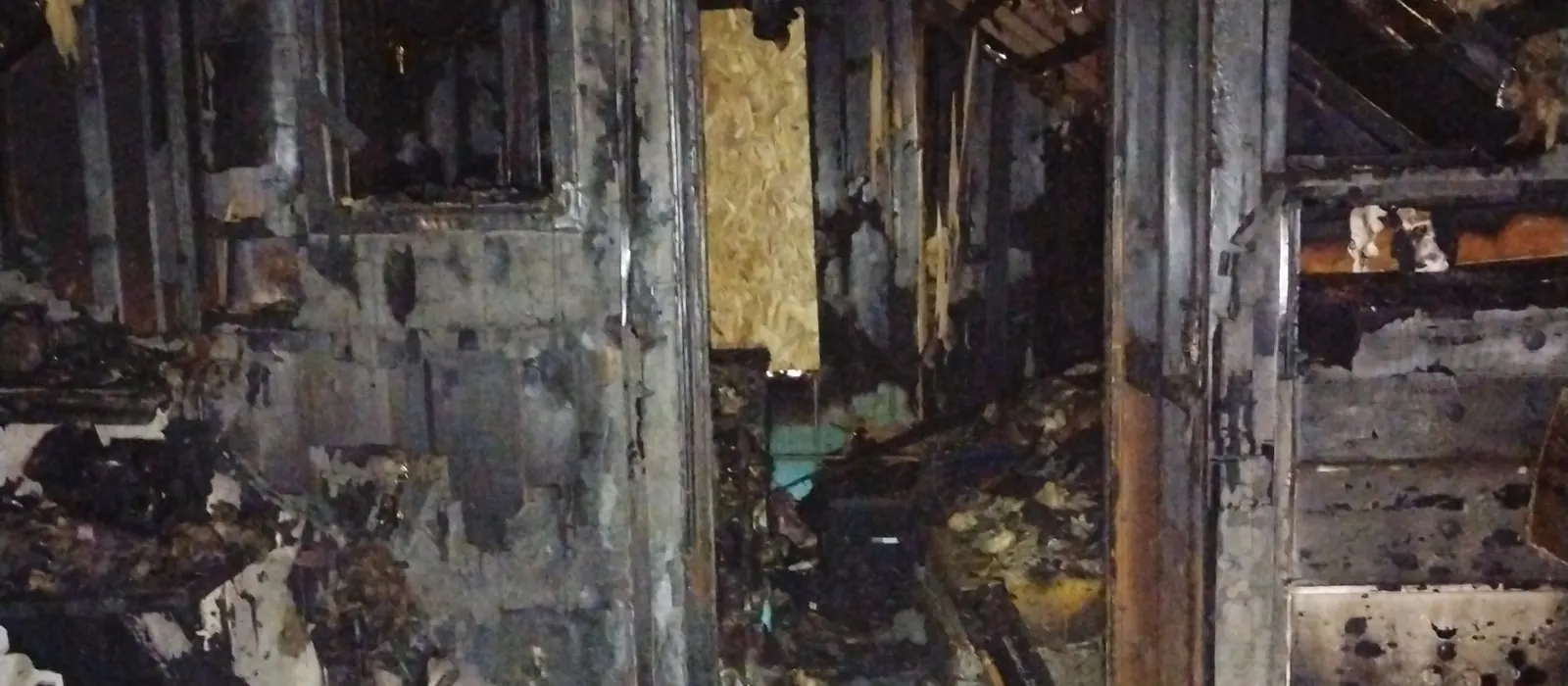
A fire at a property you rent out is a different claim from a fire at your own home. The policy is usually different, the people involved are different, and one of the biggest losses, the rent, does not show up on any estimate. Here is how it usually works.
Which policy you have
Most rental houses and small apartment buildings are insured on a landlord policy, often called a dwelling or DP policy, rather than a homeowners policy. It covers the building. Whether it pays replacement cost or actual cash value, and which causes of loss it covers, depends on the form you bought. Read the declarations page and the full policy before you accept anyone's summary of it.
Lost rent is its own coverage
If you bought fair rental value or loss of rents coverage, the policy pays the rent you lose while the unit cannot be rented, for the time it reasonably takes to repair it. It is easy to forget because nobody puts it on an estimate. Keep the leases, the rent ledger and anything that shows what the unit was earning before the fire.
Your tenants' things are not on your policy
Your policy covers the building and any property of yours in it, such as appliances you supplied. Your tenants' furniture, clothes and belongings fall on their own renters insurance, if they have it. Where they stay while the unit is repaired is their policy's question too, not yours. Make that clear early, because it is the first thing tenants will ask you.
Vacancy and occupancy rules
Many policies limit coverage once a building has been vacant for a set period, often 60 days. If the unit was between tenants when it burned, how long it had been empty and what you were doing to rent it out may become the main question. Gather the listing, showing records and any work you had done on it.
Code upgrades and the city
Rental properties are often older buildings, and repairs can trigger current code requirements that the original building never had to meet. Some policies pay for those upgrades and some do not, so look for ordinance or law coverage. Many Michigan cities also inspect and register rentals, so repairs may need to pass a rental inspection before anyone moves back in. And Michigan's fire insurance withholding law can hold part of a large building settlement until the repairs are done. See how fire insurance claims work in Michigan.
If a business operated in the building
If the building had a store or office in it, the business's lost income and equipment are separate claims with their own proof. That is closer to a commercial claim than a house fire.
We handle rental property fires the same way we handle any fire: the whole building documented, the rebuild priced the way a contractor would price it, and the lost rent built into the claim. Here is how we handle fire and smoke damage claims.
See it on a real claim
Fire at a rental? |Get the whole claim in.
Tell us about the property and the fire, and we'll tell you honestly what the claim should include. No cost, no obligation.