
Restoration company or public adjuster?
What each one does, and how to use both without giving up control of your claim
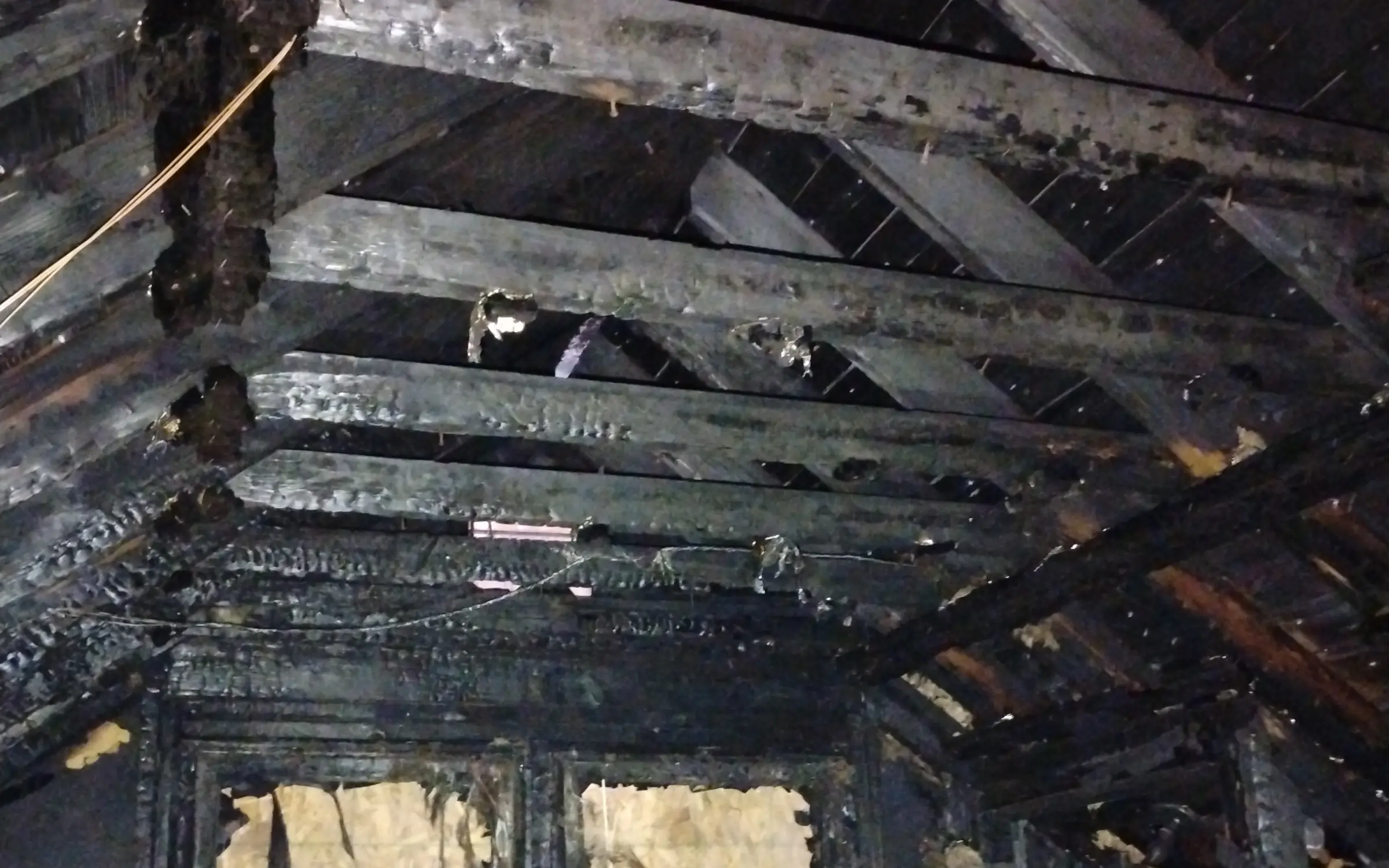
Within hours of a fire, a restoration company may be at your door. Often that's a good thing: the house needs boarding up, the water needs to come out, and smoke damage gets worse the longer it sits. But a restoration company and a public adjuster do different jobs, and it helps to know where one ends and the other begins.
What a restoration company does
Restoration companies do the physical work: board-up and tarping, water removal and drying, smoke and soot cleaning, packing out and cleaning belongings, and often the rebuild. A good one is worth having. They're paid for the work they do, often directly by the insurance company.
What a public adjuster does
A public adjuster represents you on the claim. We document the whole loss, price it, and negotiate with the insurance company until it's paid. That covers the building, your belongings, your living expenses and every other part of the policy, not just the work one company plans to do.
Where one ends and the other begins
The restoration company's estimate covers its own work. Your claim is bigger than that: the belongings, the months out of the house, the rooms the crew never touches. A restoration company can send the insurance company its estimate, but it can't negotiate your claim for you. In most states that takes a public adjuster's license or a law license.
Before you sign their paperwork
- A work authorization for emergency services is normal. Board-up and water removal shouldn't wait.
- Paperwork that hands over your insurance money is different. Anything that assigns your benefits or lets a company make decisions about your claim deserves a careful read before you sign.
- Check who gets paid. Some forms tell your insurance company to pay the restorer directly. Know what that covers and what happens if you're unhappy with the work.
- Get the scope and the price in writing, and ask how you can cancel.
- You choose who does the work. Your insurance company can recommend a company, but the house is yours.
Michigan keeps the two apart
Michigan law bars a public adjuster from being connected with a fire repair contractor. The person negotiating your claim shouldn't profit from who gets the repair work, which is why your public adjuster and your restoration company should be two separate businesses.
A practical note: document before anything is cleaned out. Once debris is hauled away, the evidence of your loss goes with it. Photograph every room first, then let the work begin.
Restoration crew at the door? |Talk to us before you sign.
Send us what they've handed you and we'll explain it in plain English, whether or not you ever hire us.