
Smoke damage claims when the fire was somewhere else
A fire next door, a car fire, a puff-back: when nothing burned but everything smells
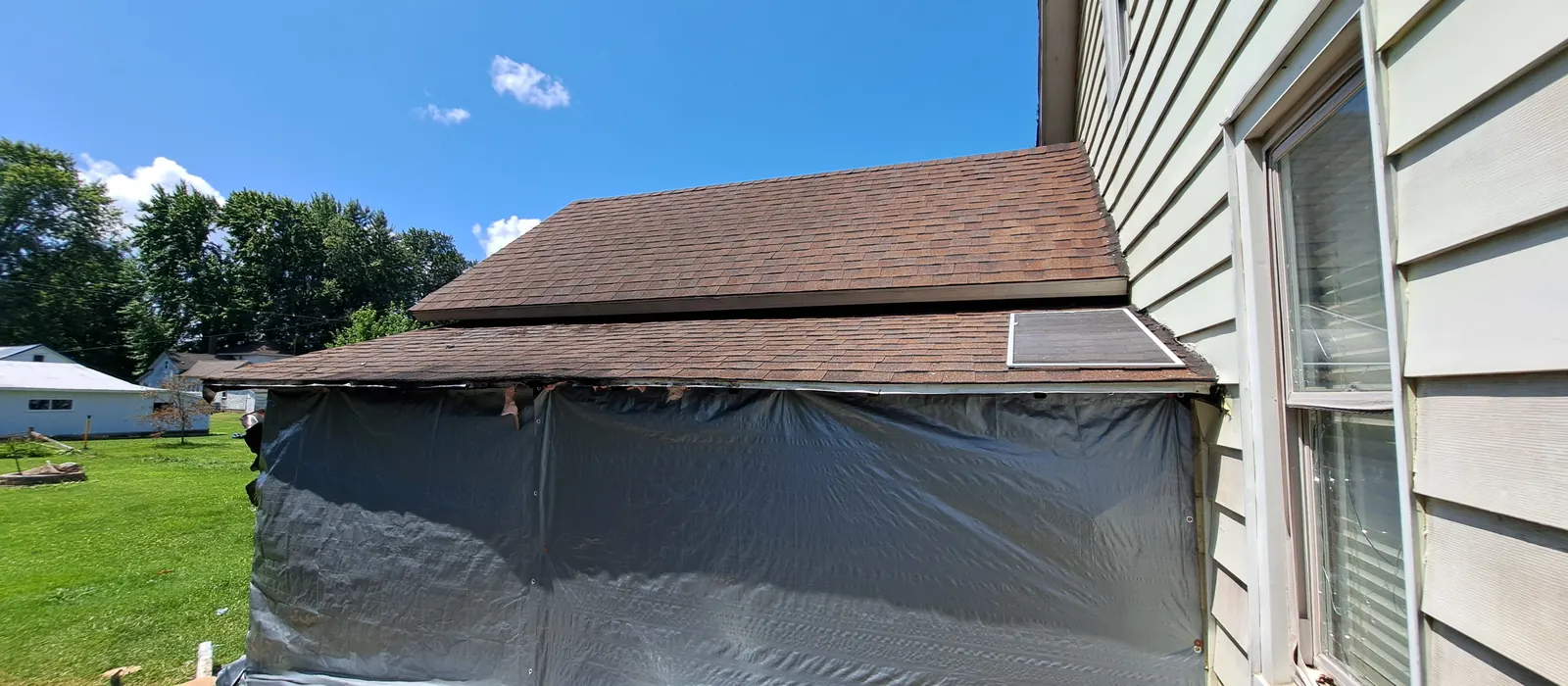
Some of the most underpaid fire claims are the ones where nothing in the house burned. The house next door caught fire, a car burned in the driveway, or the furnace puffed back. The walls are standing, the furniture looks fine, and the first offer treats it as a cleaning job. Often it is much more than that.
Is smoke damage covered if the fire wasn't in my house?
Usually, yes. Most homeowners policies cover sudden and accidental smoke damage under your own policy, wherever the fire was. You claim it from your own insurance company, and if someone else caused the fire, your insurance company can go after them separately. Smoke from farm or industrial operations is usually excluded, and so is gradual buildup, which is why it matters to show the smoke came from one event.
Why smoke claims get underpaid
Smoke goes where air goes. It is pulled through gaps around windows and doors, into the attic, through the ductwork and into closets and cabinets. A walk-through looks at the walls facing the fire and misses the rest.
Soot you cannot see still damages things. Fine soot settles on surfaces, works into fabric and insulation, and can be acidic. Electronics, finishes and the inside of the HVAC system can be damaged with nothing visible on them.
The fix gets priced as a wipe-down. Proper smoke restoration can mean cleaning or replacing insulation, sealing framing, cleaning or replacing ductwork, and cleaning every item in the house. A one-line cleaning allowance does not cover that.
How a smoke claim gets proven
- Photograph before anyone cleans, including the rooms that look untouched, the inside of closets and the furnace filter.
- Ask for testing. Surface wipe samples read by a lab show what the soot is and how far it reached. It turns an argument about a smell into a report.
- Don't run the heating or air conditioning until it has been checked. A system that ran during or after the fire may have spread soot through every room.
- Do not throw anything away until it has been documented. Contents are part of the claim.
What a full smoke claim should include
A smoke estimate that comes in as a few lines of cleaning is usually missing most of the work. Depending on how far the smoke reached, a complete claim can include:
- The heating and cooling system. Cleaning the furnace or air handler and the ductwork, or replacing ducts that cannot be cleaned, plus new filters.
- The attic and insulation. Smoke rises and settles into loose insulation, which usually has to be removed and replaced rather than cleaned.
- Sealing and repainting. After cleaning, walls and ceilings are sealed with an odor-blocking primer and repainted, whole rooms at a time, not patched.
- Soft goods. Clothing, bedding, curtains, upholstery and carpet need specialty cleaning, and replacement when cleaning does not take the smoke out.
- Electronics. Soot can corrode circuit boards slowly. Televisions, computers and appliances should be cleaned and checked by a technician, not just wiped off.
- Moving the contents. Packing belongings out, cleaning them, storing them and bringing them back is real work, and it belongs in the claim.
Different fires leave different smoke
What burned changes what is left behind and how hard it is to clean.
- Kitchen fires often leave a thin, greasy film that is hard to see and has a strong, lasting smell.
- Plastics and synthetics, including cars, furniture foam and electronics, leave a sticky, acidic soot that smears when wiped.
- Wood and paper leave a drier soot that is usually easier to clean.
- Furnace puff-backs blow oily soot through the vents into every room at once.
That is why a lab report matters. It names the type of residue, which decides the cleaning method and whether an item can be saved at all.
Common questions
The smell is fading. Does that mean the damage is gone?
No. People get used to a smell, and it changes with the weather, but the residue stays in insulation, ductwork and fabric and often comes back with heat and humidity. Get it documented while it is still obvious.
How soon should I report smoke damage?
Promptly. Your policy requires prompt notice, and soot keeps working on finishes and electronics while it sits. The earlier the damage is documented, the stronger the claim.
Do I have to use the insurance company's cleaning company?
No. The insurance company may recommend one, but you can choose your own. Whoever does the work, make sure the scope is written down before cleaning starts.
What it looks like when it goes right
A vehicle burned outside a home in Pompeii, Michigan, and its smoke got into the house. Nothing inside looked burned, and the first offer was $15,462. Testing showed how far the smoke had reached, and appraisal settled the building at $127,548. Every claim is different, and that is not a promise about yours, but it shows how big the gap can be when the damage is invisible. Read the Pompeii smoke claim.
See it on a real claim
Smoke but no flames? |It can still be a serious claim.
Tell us where the smoke came from and how far it reached. We'll tell you honestly whether it's worth pursuing.