
Business fire claims: offices, shops and warehouses
The building, the contents and the income the fire cost you
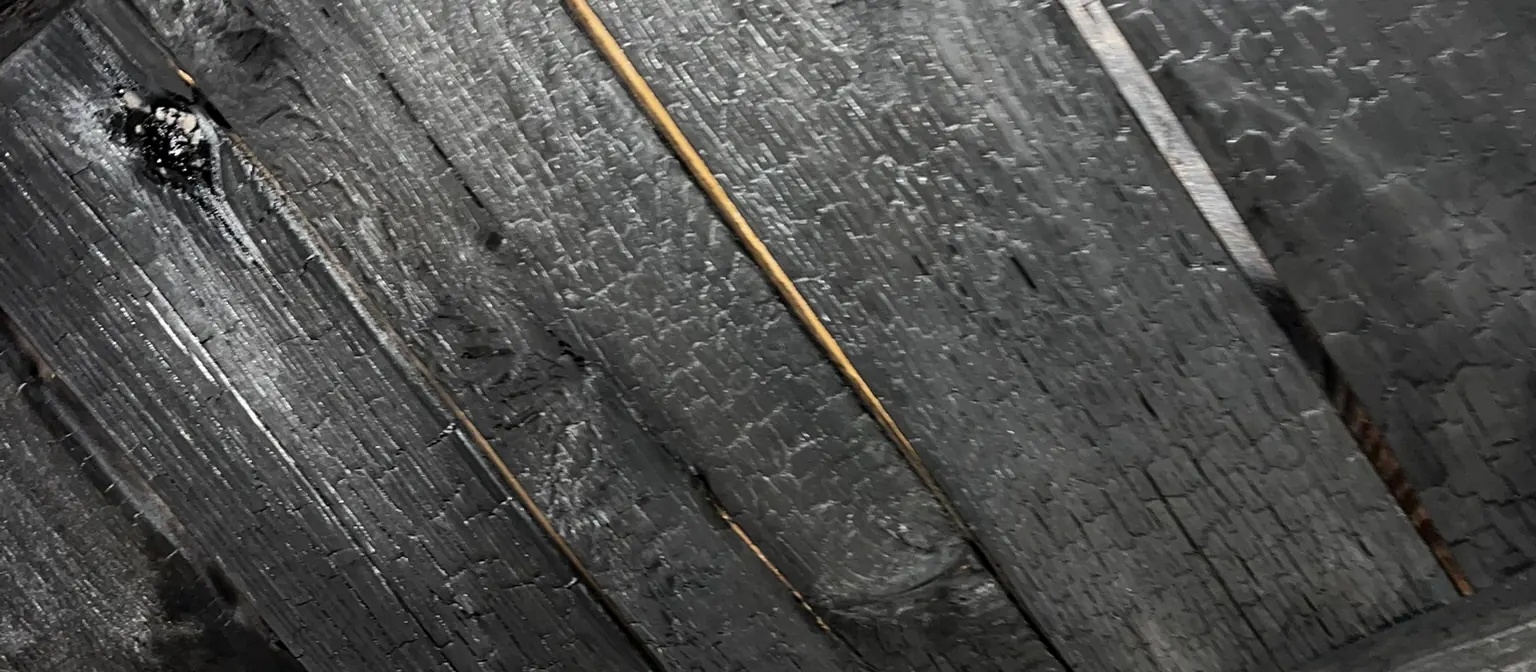
A fire at a business is at least two claims: the building and what was in it, and the income the business loses while it cannot operate. The second one is usually worth more and almost always gets less attention. Here is what a commercial fire claim should include.
The building
If you own the building, the policy covers the repair or rebuild. Commercial fires are often scoped and priced the same way a house is, by software and in an afternoon, rather than against what contractors will actually bid to do the work. Older commercial buildings also tend to trigger code upgrades, such as sprinklers, fire separation and accessibility, that only some policies pay for. If you lease the space, the lease decides who insures and rebuilds what, including the improvements you paid for.
Equipment, fixtures and inventory
Machinery, computers, furniture, fixtures and stock each need to be listed and valued, and smoke-damaged equipment needs testing before anyone decides it can be cleaned. Inventory is valued according to the policy, which may be your cost or something else, so read that part before you build the list.
Business income
Business income coverage pays the profit you lose and the expenses that keep running, such as payroll and rent, while the business cannot operate, for the time it should reasonably take to repair. It is built from your own numbers, so pull two years of profit and loss statements, monthly sales and payroll now. Many policies also include extended business income, which keeps paying for a period after you reopen while customers come back.
Extra expense
What you spend to keep the business running, such as temporary space, rented equipment, overtime and rush shipping, is often covered as extra expense. Keep every receipt and write down why each cost was needed.
Coinsurance
Many commercial property policies require the building or contents to be insured to a set share of their value. If the limit you carried falls short, the payment is cut in proportion, even on a partial loss. It is one of the first things to check, because it changes every number after it.
What it looks like when it goes right
On a fire at a Roseville business, the building claim had already been settled for $28,399 when the owner called us. Testing and a full estimate took it to appraisal anyway, and the building went to $104,246. A settled claim is not always a finished one, but it is much harder to reopen than to get right the first time.
For more on lost income, coinsurance and leased space, see our commercial and business claims page.
See it on a real claim
Business fire? |Let's get you operating again.
Tell us what happened to the building and what it has done to the business. No cost, no obligation.