
Michigan public adjuster laws, explained
How public adjusters are licensed and regulated in Michigan, and what that protects
Public adjusting in Michigan isn't an open field anyone can walk into. It's a licensed, regulated profession, and those rules exist to protect you, the policyholder. Here's what they mean in practice.
Licensing: who's allowed to adjust your claim
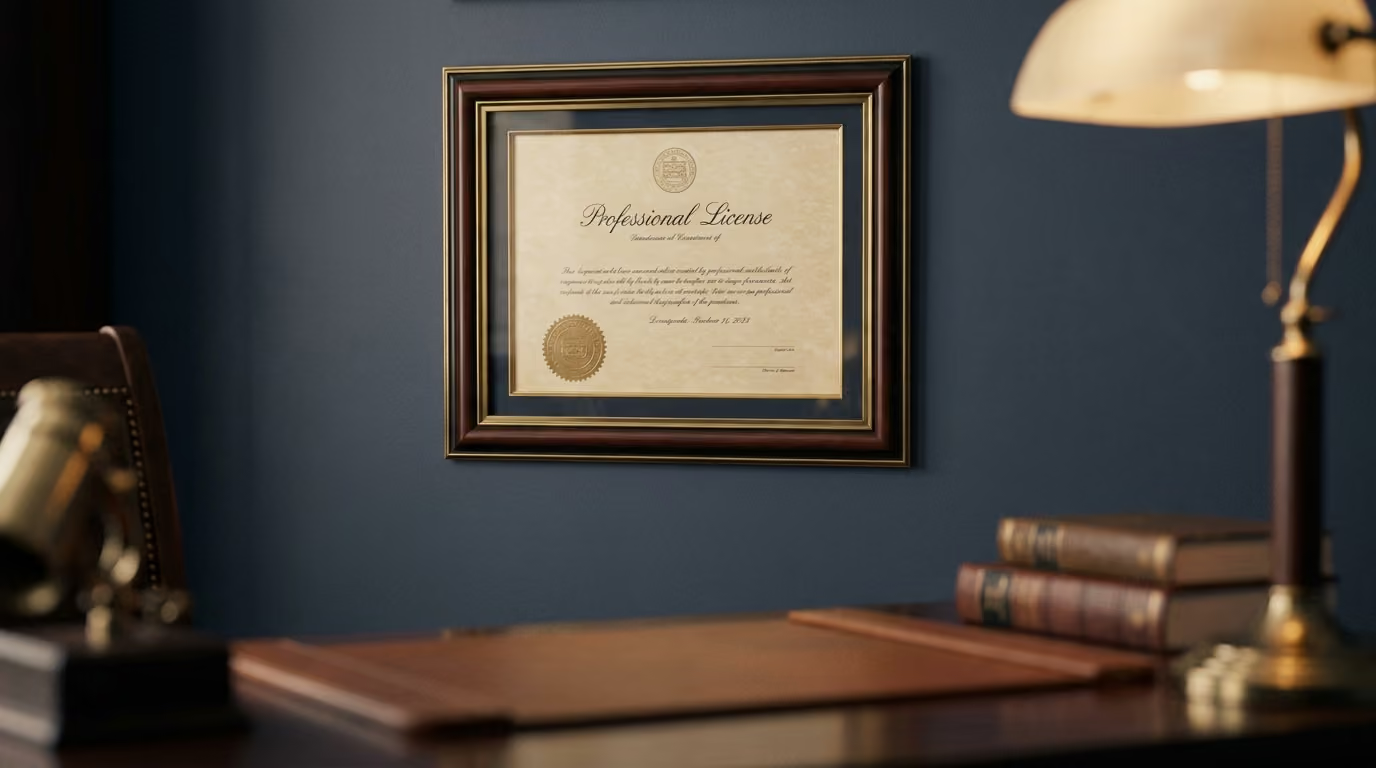
In Michigan, representing a policyholder in negotiating an insurance claim is regulated activity. Public adjusters must be licensed by the state's insurance regulator, the Department of Insurance and Financial Services (DIFS). The license is the baseline: it means the adjuster has met the state's qualification requirements and is accountable to a regulator, not just to their own marketing.
The contract: your protections in writing
A Michigan public adjusting engagement is governed by a written contract. The fee, a percentage of the recovery, is set in that contract before work begins, and public adjusting fees are regulated by state law. Read the contract; a legitimate public adjuster wants you to. It should plainly state the fee, the scope of the engagement, and what happens if there's no recovery (the answer should be: you owe nothing).
The line public adjusters don't cross
Public adjusters handle the claim: documentation, valuation, negotiation. They don't practice law. Coverage litigation, bad-faith suits, and legal advice belong to attorneys, and a good public adjuster will tell you when a claim has crossed into territory that needs one. (A fully documented claim file is also the best gift you can hand a lawyer.)
What these rules protect you from
- Unlicensed operators, including contractors who offer to "handle your claim" as part of the repair job. Negotiating claims without a license is illegal in Michigan, and it puts your claim at risk.
- Hidden or shifting fees: the regulated written contract is your protection. No legitimate fee lives outside it.
- No accountability: DIFS accepts complaints against licensees. A licensed adjuster has something real to lose by treating you badly.
Two questions to ask anyone offering to adjust your claim
"Are you licensed as a public adjuster in Michigan?" and "Can I see the contract, including the fee, before I sign?" Confident, immediate answers to both are the mark of a professional. Hesitation on either is your answer too.
This guide is general information, not legal advice. For questions about your specific rights, DIFS and a licensed Michigan attorney are the authoritative sources.


Fair is what you're owed. We hold them to it.
You make one call. From there, we take the weight off your shoulders and handle the claim the way it should be handled.