
Water damage from the unit above: who pays?
Condos, apartments and the policies that sit on top of each other
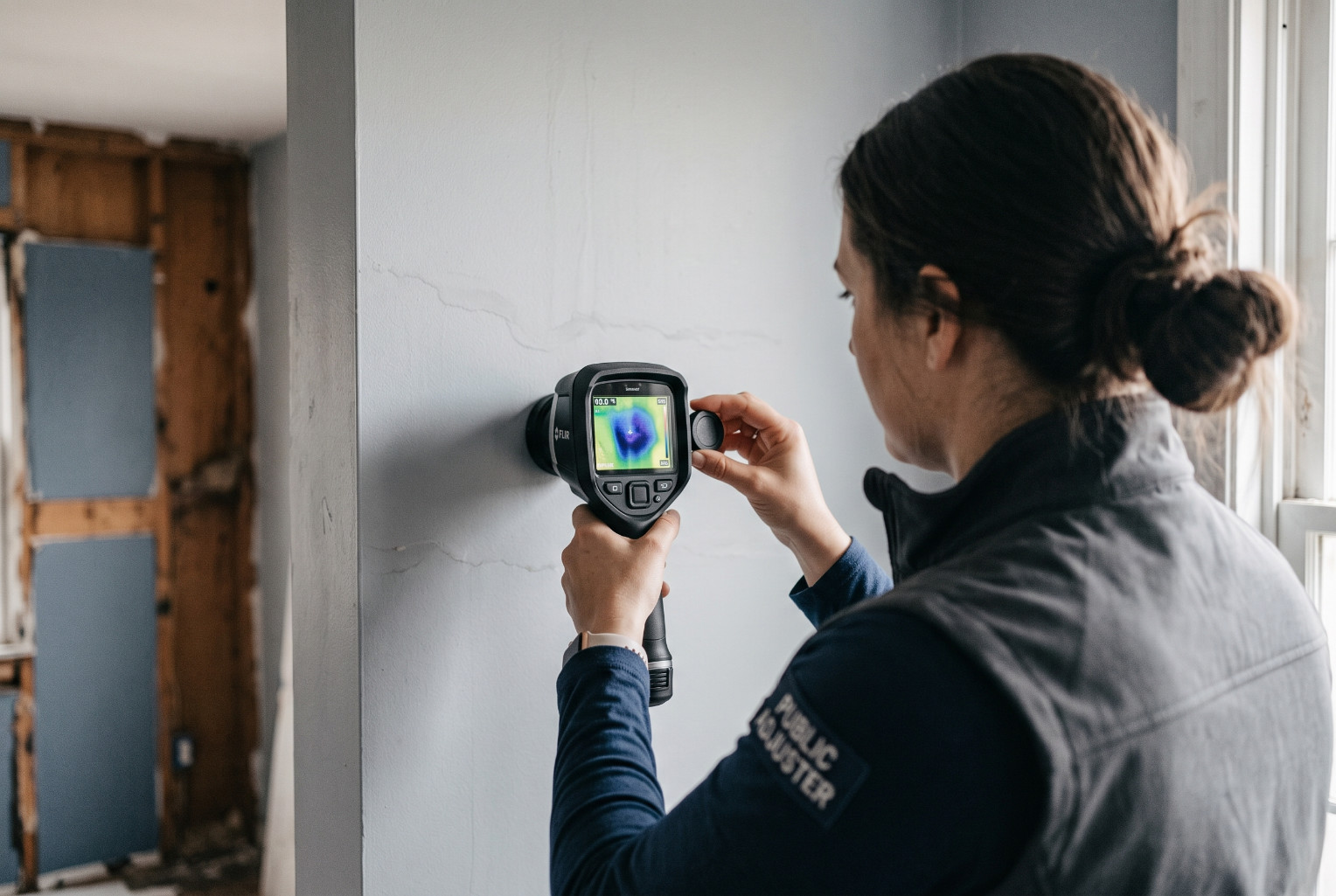
When water comes through your ceiling from the unit above, the first instinct is to send the bill upstairs. Usually it does not work that way. In a condo or apartment, several insurance policies sit on top of each other, and knowing which one pays for what is most of the claim.
Whose insurance pays when water comes from the unit above?
Usually your own policy pays for your unit and your belongings first, whoever caused it. Your insurance company can then go after the neighbor, or the neighbor's insurance company, if the neighbor was at fault. You do not have to wait on someone else's insurance company while your ceiling is open.
Condos: the bylaws decide
In a Michigan condominium, the association's master policy and your own unit policy split the building between them, and the condominium documents decide where the line is. Some master policies cover the walls, ceilings and fixtures inside the units. Others stop at the bare walls and leave everything inside to the owner. Your belongings and any upgrades you made are usually on your own policy either way.
Read the bylaws and both policies before anyone tells you the damage is the other policy's problem. Many associations can also pass their master policy deductible to the owner whose unit the water came from, so it matters who owns the pipe that failed.
Apartments and rentals
If you rent, the landlord's insurance covers the building. Your renters insurance covers your belongings, and often the cost of staying elsewhere if the unit cannot be lived in. Without renters insurance, recovering for your belongings usually means showing the landlord or the upstairs tenant was negligent.
Water that travels
Water from an upper unit rarely stops at the first ceiling. It runs along joists and down walls, soaks insulation and can reach units two floors away. Most of that damage is inside the structure, where nobody looks unless someone measures it. In a shared building, every unit it reached has its own owner, its own policy and its own part of the claim.
What to do
- Report it in writing to the association or property manager, with the date and time you found it.
- Find the source: which unit, and what failed. Ask for that in writing too.
- Photograph your ceiling, walls, floors and belongings before anyone starts repairs.
- Ask for the association's or landlord's insurance information and the claim number if they file one.
- Do not let anyone close up the ceiling until the damage behind it has been documented.
If a pipe in your own unit failed, see burst and frozen pipe claims. For how claims against someone else's insurance work in Michigan, see first-party and third-party claims.
See it on a real claim
Water from upstairs? |Know whose policy pays what.
Tell us where the water came from and what it reached in your unit. We'll tell you honestly how the policies are likely to split it. No cost, no obligation.