
Burst and frozen pipe insurance claims
The pipe, the damage it caused, and the cost of getting to it
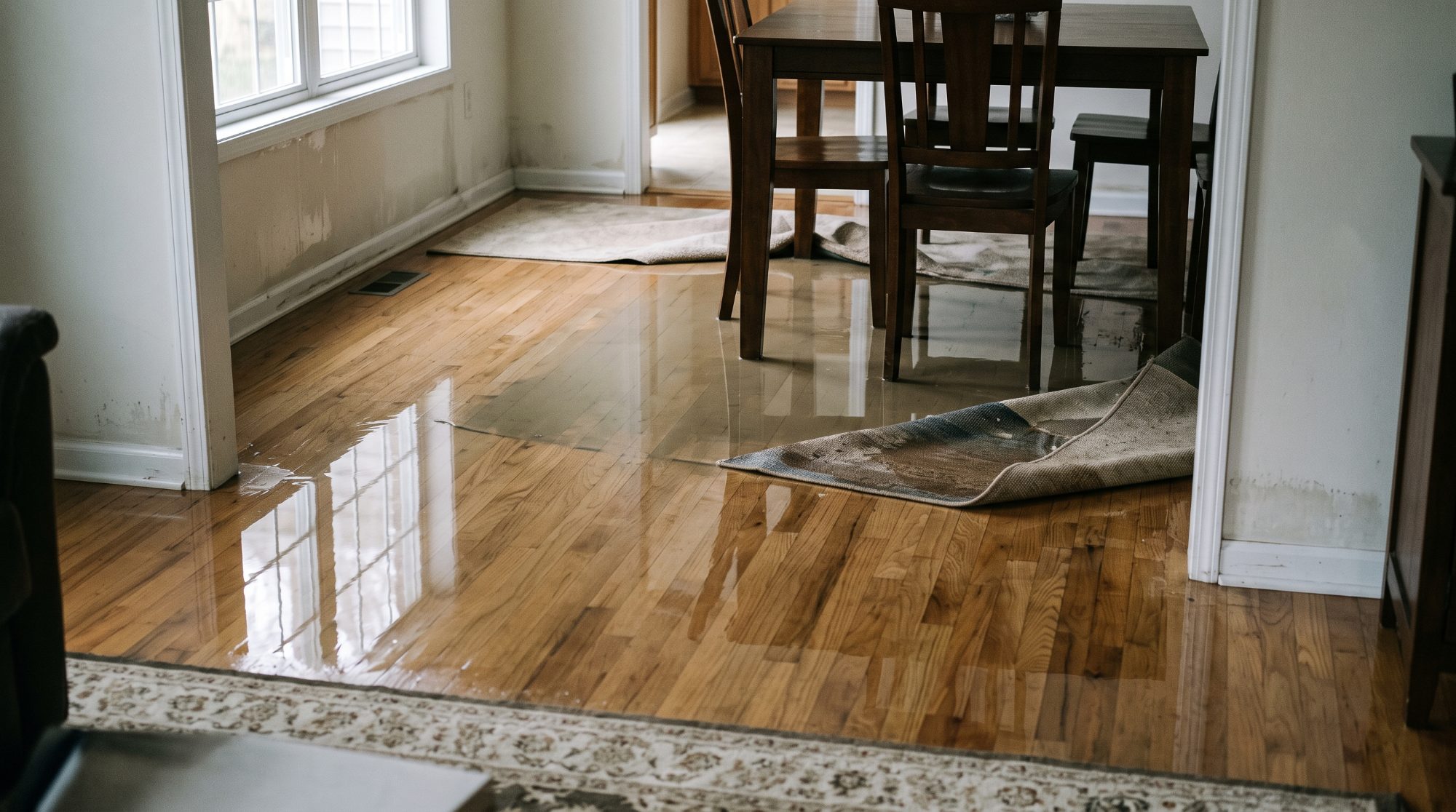
Burst pipes cause some of the largest water claims we see, and most of the damage is somewhere other than where the pipe broke. Water from a failed line runs into walls, under floors and down through every level below it before anyone shuts it off.
Does homeowners insurance cover a burst pipe?
Usually, yes, for the damage the water caused. Most homeowners policies cover water that escapes suddenly from plumbing, heating or appliance lines. What they usually do not pay for is the pipe or fitting that failed, because replacing a worn part is treated as maintenance.
The piece people miss is the cost of getting to the leak. Opening walls, ceilings or floors to reach a broken pipe, and putting them back afterward, is usually covered. On a pipe behind finished walls or under a floor, that work can be a large part of the claim, and it is easy to leave off an estimate.
Frozen pipes
Freezing damage is usually covered when you kept the heat on or shut the water off and drained the lines. It is often excluded when a house was left without heat and the water still on. Many policies also limit coverage once a house has been vacant for a set period.
If the furnace failed while you were away, when it failed and why becomes the question. Keep the furnace service records, the repair invoice and anything that shows when the house was last checked.
Slab leaks and pipes under the floor
A pipe that breaks under a concrete slab may not show itself for a while. Water can spread under flooring and wick up walls before anyone sees it. The insurance company may argue the leak was gradual and fall under the long-term leakage exclusion, so moisture readings and the plumber's findings on where and how the pipe failed matter here. Breaking out and replacing the concrete to reach the pipe is part of what to look for on the estimate.
Water that travels
A supply line that fails on a second floor does not damage one room. It damages the ceiling below it, the walls it ran down and the floor it pooled on. In one Lake Leelanau claim, a second-floor line failed and the first offer was $79,612. Documented floor by floor and taken to appraisal, it settled at $523,331. Every claim is different, but the gap almost always comes from the parts of the house nobody opened up.
What to do
- Shut off the water at the main, and cut the power to any wet area with outlets or appliances.
- Photograph and video everything before the drying crew starts, including the failed pipe.
- Keep the broken part and get the plumber's written description of what failed.
- Keep every receipt, from the emergency plumber to the drying equipment.
If mold has started, see does homeowners insurance cover mold. For the first days after any serious leak, see what to do after major water damage.
See it on a real claim
A pipe let go? |Get the full path of the water on record.
Tell us where the pipe failed and how far the water went. We'll tell you honestly what the claim looks like. No cost, no obligation.