
What to do after major water damage
Stopping the damage, documenting it properly, and protecting your claim from day one
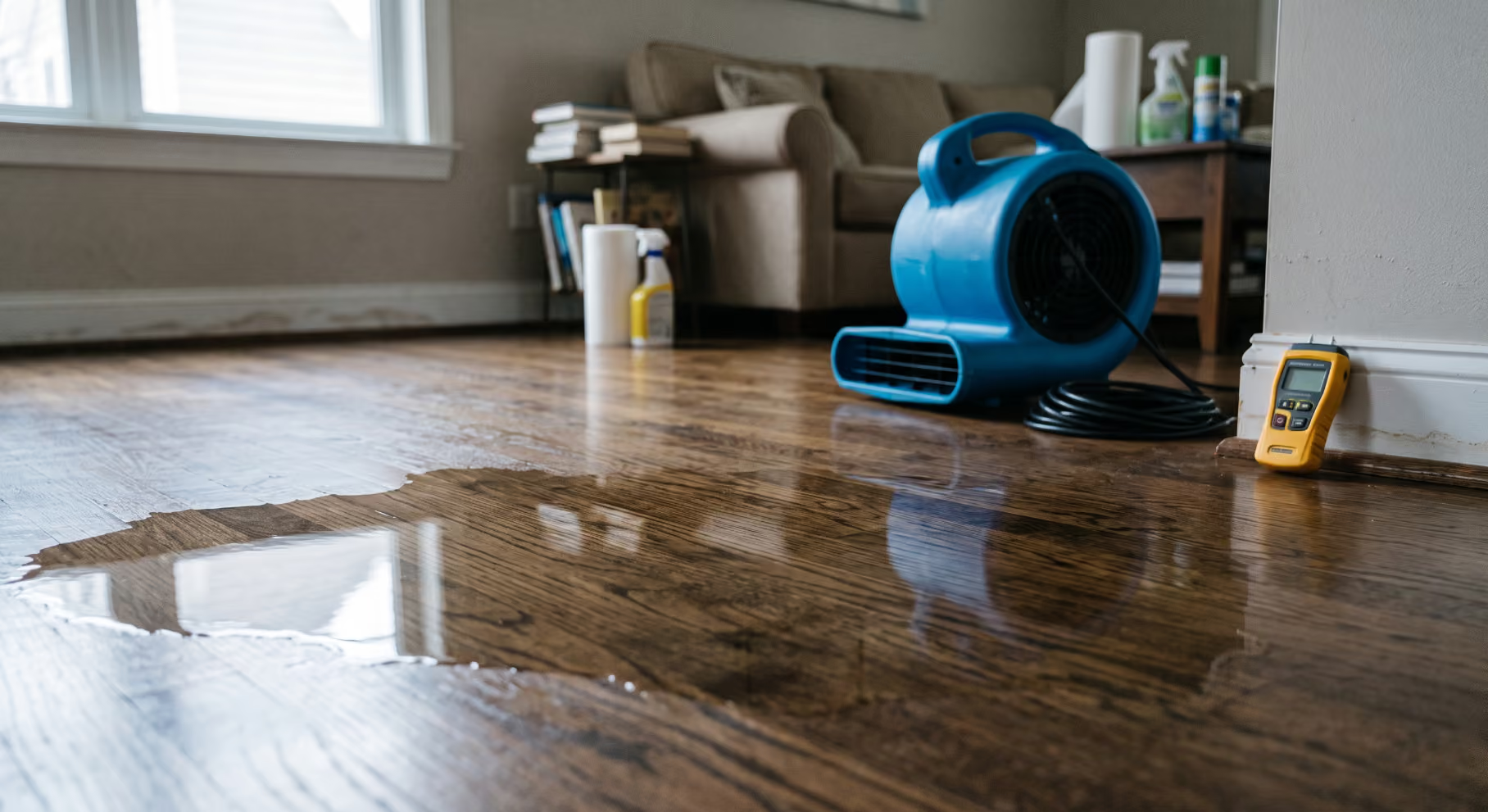
Water losses move fast, and so does the cleanup industry around them. That speed is good for your home and risky for your claim, because the evidence of the loss disappears into dumpsters and drying equipment within days. Here's how to protect both.
First: stop the source, stay safe
Shut off the water at the main if the source is plumbing. If water has reached electrical outlets, panels, or appliances, treat the area as unsafe and cut power to it before walking through. Your policy requires you to take reasonable steps to prevent further damage, and it typically covers the cost of those steps.
Document before mitigation
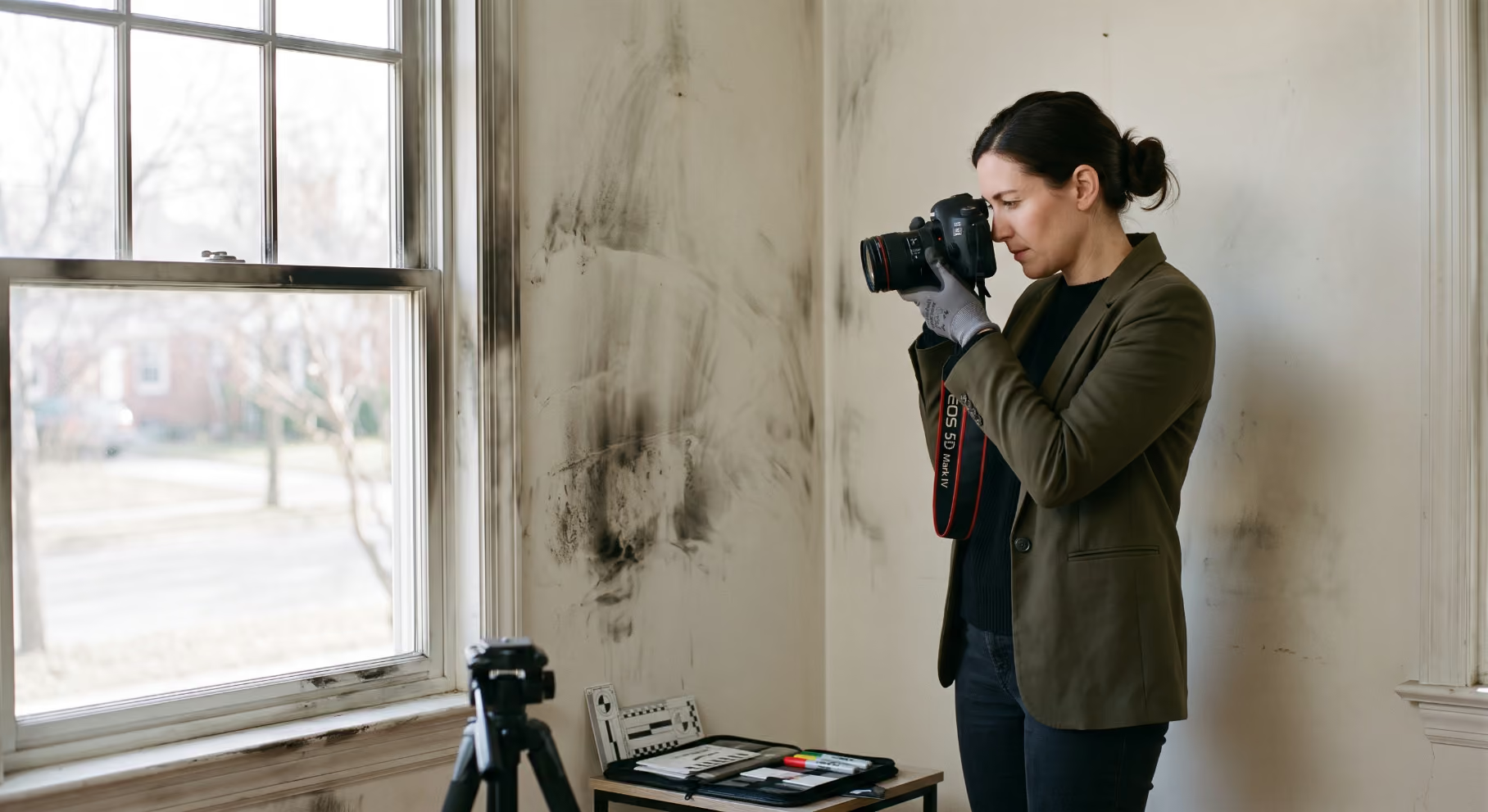
- Video the standing water and the source before anything is extracted or repaired. Wide shots of every affected room, close-ups of the waterline on walls and furniture.
- Photograph everything wet: flooring, baseboards, cabinet bottoms, and contents. Keep damaged materials (or samples of them) until the claim is documented.
- Save every receipt: plumber, extraction, fans, hotel if you can't stay. It all belongs in the claim.
Be careful with mitigation paperwork
Water mitigation companies often arrive fast and ask you to sign authorizations on the spot. Read them. Authorizing emergency dry-out is reasonable; assigning your insurance benefits, agreeing to open-ended pricing, or authorizing full reconstruction before the loss is scoped is not. You can authorize the urgent work without signing away the claim.
The part everyone underestimates
What you can see dry on the surface can be saturated underneath. Moisture inside walls, under floors, and in ceilings below the loss is where serious water claims live, and it's the part a quick visual estimate misses. Before walls are closed back up, the full moisture footprint should be mapped and on the record. Once it's sealed behind new drywall, proving it gets much harder.
Watch the clock on mold. When wet materials sit, mold follows quickly. Fast professional drying protects your home; fast documentation protects your claim. You need both, in that order of urgency, but the documentation can't be skipped.
Related Guides


Fair is what you're owed. We hold them to it.
You make one call. From there, we take the weight off your shoulders and handle the claim the way it should be handled.