
Does homeowners insurance cover mold?
When mold is part of the water claim, when it is not, and the limit most people never read
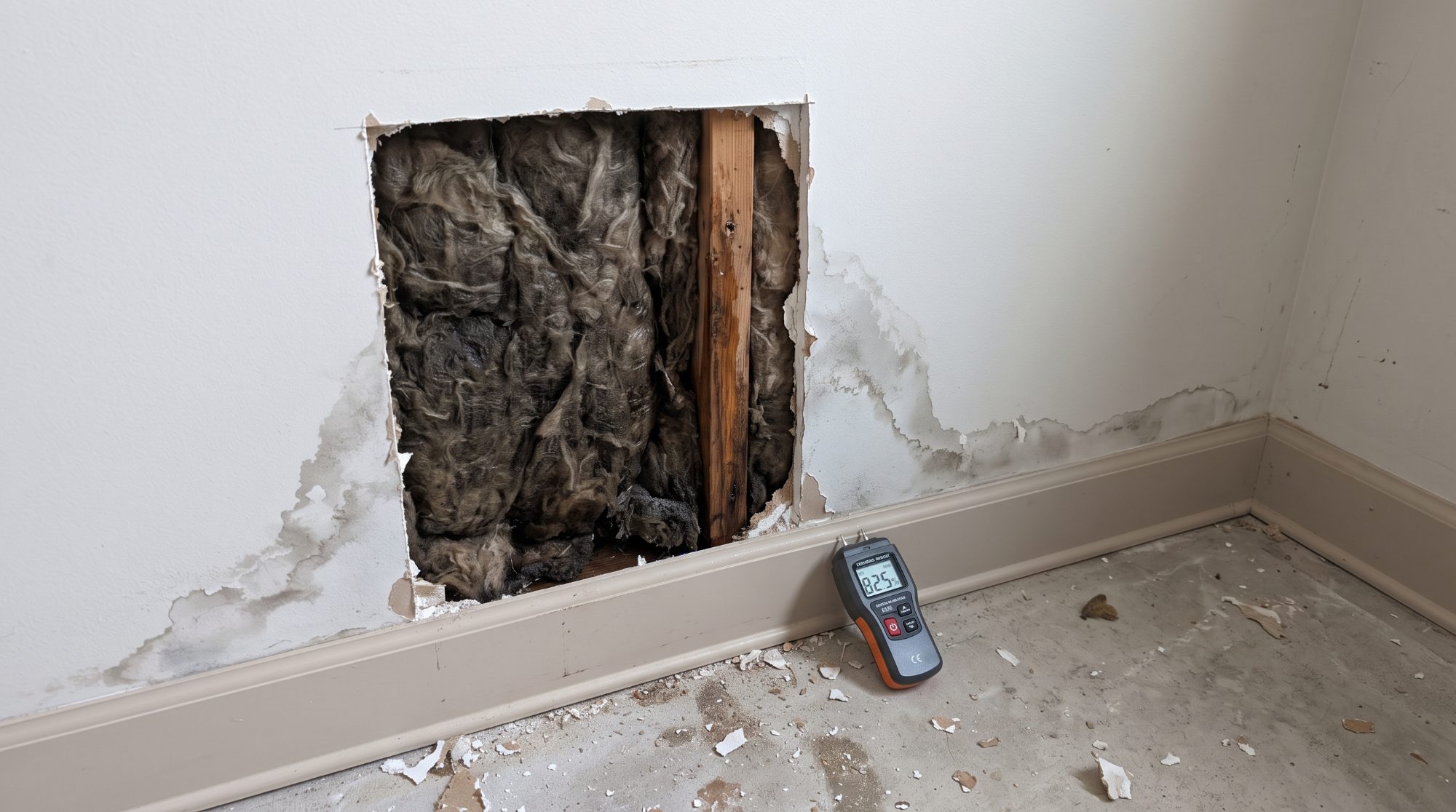
Mold usually shows up a few days after the water, and so does the question of whether insurance will pay for it. The honest answer is that it depends less on the mold than on the water that caused it, and on one line in your policy that most people never read.
Is mold from a water leak covered?
Often, when the mold grew out of a sudden, covered water loss: a burst pipe, a failed supply line, an overflowing tub. In that case the mold is treated as part of the water damage. It is usually not covered when it came from a slow leak that went on for weeks or months, from ongoing humidity or condensation, or from flood water, which a homeowners policy excludes.
The color does not change any of this. Black mold is not covered differently from any other mold. What matters is where the water came from and how long it was there.
Why the cause of the water decides the mold claim
Most policies cover water that escapes suddenly and exclude damage from water that leaked over time. When mold is involved, expect the insurance company to look at how old it is. Heavy growth, staining and rot can be used to argue the leak had been going on long before anyone noticed, which moves the whole loss toward the long-term leakage exclusion.
That is why the first days matter so much. Photographs, the failed part, the plumber's written cause and the drying company's moisture readings are what show the water was sudden and the mold followed it.
The mold limit, and what gets put under it
Many policies cover mold only up to a separate, lower limit. That limit is easy to misread. The water damage itself, the drywall, flooring, cabinets and framing the water reached, usually falls under your main dwelling coverage. The mold limit is meant for the mold: remediation, testing and the extra work mold adds.
Where claims shrink is when everything gets filed under the mold limit, including repairs the water would have required anyway. A claim with a large water loss and a small mold limit can lose most of its value that way. It is worth checking which line each item on the estimate was written under.
How to protect a mold claim
- Start drying right away. Mold can begin within a day or two on wet materials. Fast drying protects the house, and it shows the insurance company you acted.
- Photograph before anything is removed, including the source of the water, the wet materials and any growth you can see.
- Keep the drying records. Daily moisture readings and equipment logs from the mitigation company are the proof of when the water started and how it was handled.
- Keep the failed part. A split supply line or a cracked fitting shows the failure was sudden.
- Ask for testing when the extent is unclear. Air and surface samples show how far the mold reached, which turns a disagreement into a report.
For the first steps after any serious leak, see what to do after major water damage. If the water came from a pipe, burst and frozen pipe claims covers how that part of the claim works.
See it on a real claim
Mold after a water loss? |Find out where the line is.
Tell us where the water came from and when you found the mold. We'll tell you honestly how your policy is likely to treat it. No cost, no obligation.