
The first 48 hours after a house fire
What to do, what to document, and what not to sign
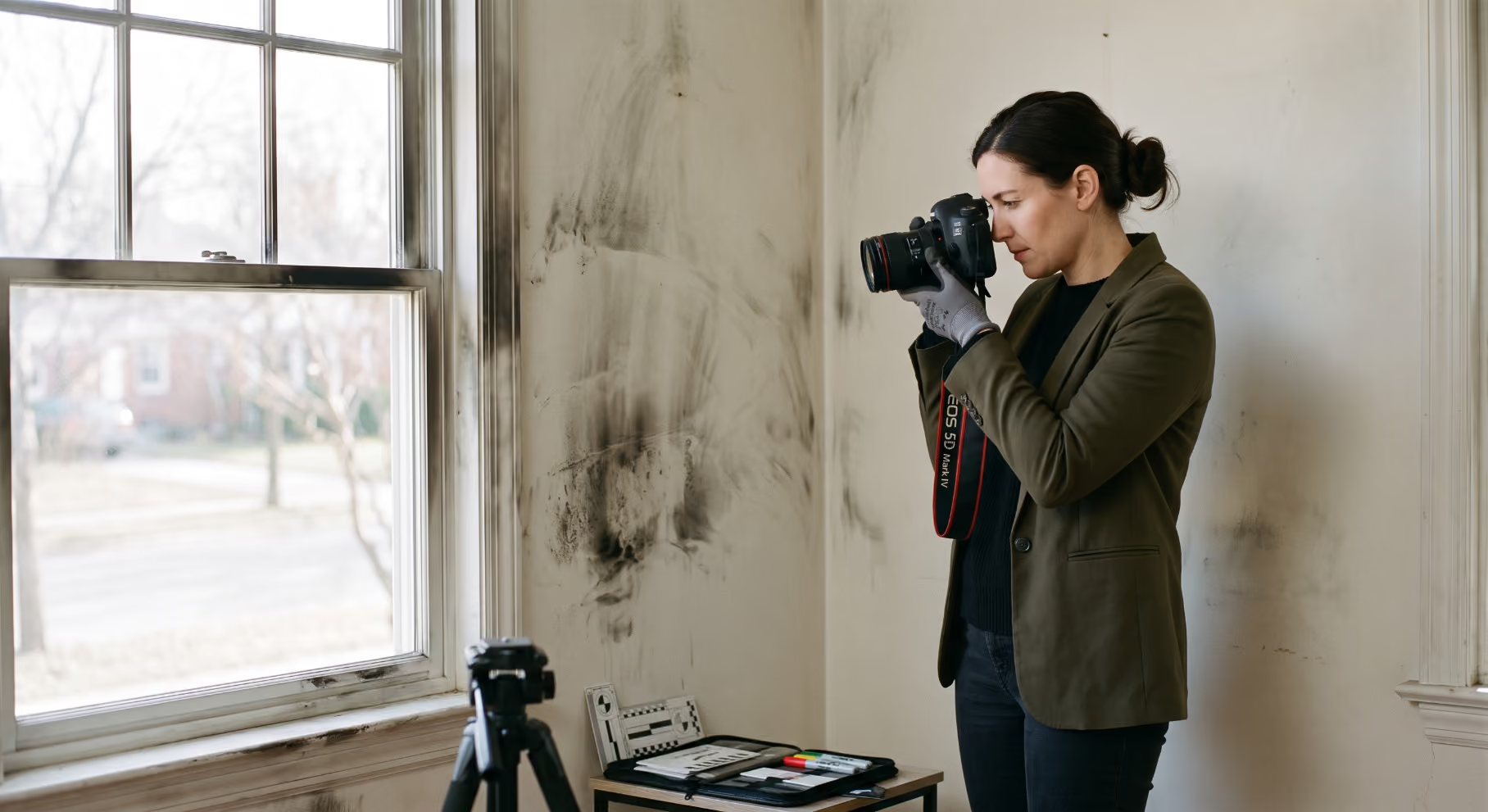
First: your family's safety, somewhere to stay, and a breath. The claim can wait a few hours. But the first two days do shape what happens next. Here's how to use them well.
Hour one to twelve
- Don't re-enter until the fire department clears the structure. Nothing in the claim is worth an unsafe building.
- Notify your insurer that a loss occurred. Report the basic facts: what, when, where. You don't need to estimate damage or give a recorded statement on day one.
- Keep every receipt: hotel, meals, clothes, essentials. Additional living expense coverage typically reimburses these, but only if they're documented.
Day one and two
- Photograph and video everything before anything is moved, cleaned, or thrown away. Wide shots of every room, close-ups of damage, the exterior from every side. You cannot over-document.
- Secure the property: board-up and tarping protect against further damage (your policy requires reasonable protection) and the costs are typically covered. Keep those receipts too.
- Locate your policy: the full document, not just the declarations page. If you can't find it, request a complete certified copy from your insurer.
What not to sign
In the first 48 hours, people will appear at your door: restoration companies, contractors, sometimes within hours of the fire. Some are excellent. But be very careful with anything that assigns your insurance benefits to a contractor, locks you into one company's pricing, or authorizes broad work before the loss is documented. And never sign anything presented as a settlement or release this early. You can't yet know what the claim is worth, which means neither can the number on that paper.
The mistake that costs the most
Letting cleanup get ahead of documentation. Once debris is hauled away and walls are scrubbed, the evidence of your loss goes with it. Document first, then mitigate properly, and finally, after the full loss is on the record, present the claim.
Related Guides


Fair is what you're owed. We hold them to it.
You make one call. From there, we take the weight off your shoulders and handle the claim the way it should be handled.