
Sewer and drain backup claims in Michigan
Your own policy, the backup limit, and the notice the city has to get within 45 days
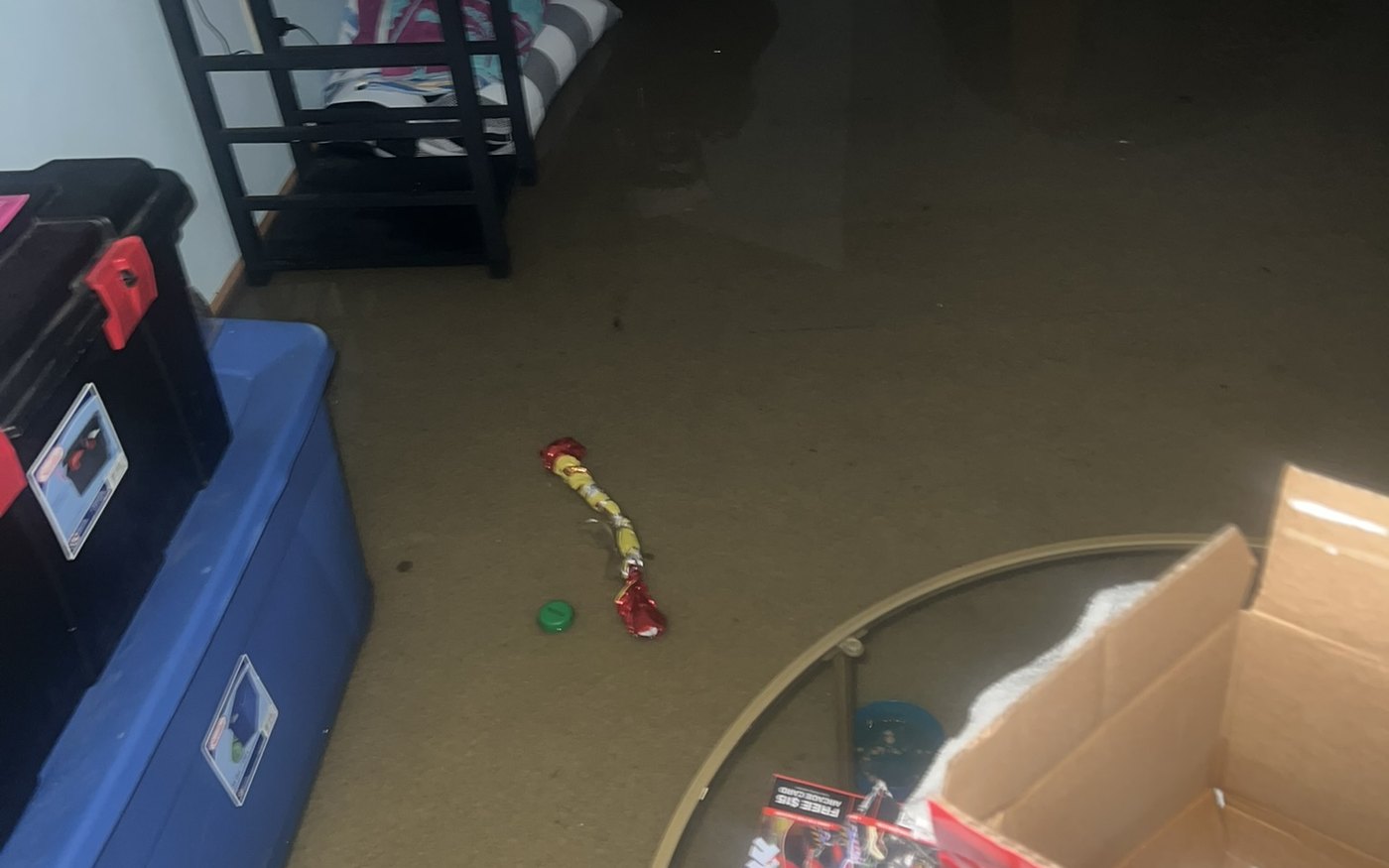
When water comes up through a floor drain or toilet, there are often two claims in play: one with your own insurance company, and, when the public sewer caused it, one with the city, village, township or county. Both have rules that catch people out, and one of them runs on a clock.
Does homeowners insurance cover a sewer or drain backup?
Not by itself. A standard homeowners policy excludes water that backs up through sewers and drains. Coverage comes from a water backup endorsement added to the policy, and that endorsement usually has its own limit, often a small fraction of what the house is insured for. Check your declarations page for a line that mentions water backup or sewer and drain.
Backup, or fill-up
Not every drain that overflows is a backup. If the water started in the house, an upstairs tub or toilet that ran over or the home's own drain line that broke under the floor, it may be treated as an ordinary water loss under the full policy rather than the backup limit. What decides it is where the water started, and that usually comes down to the plumber's written cause. We explain the difference on our water claims page.
Michigan's 45-day notice for city sewer backups
If the backup came from a public sewer system, Michigan law (Public Act 222 of 2001) lets you make a claim against the government agency responsible for it. To keep that claim, you have to give the agency written notice within 45 days after you discovered the damage, or should have. Many cities and townships post a claim form for this. Miss the deadline and that claim is generally gone, whatever your insurance does.
The notice is separate from your insurance claim, and filing one does not replace the other. If you are not sure whether the public sewer was the cause, send the notice anyway and keep a copy.
Why backup claims get underpaid
Because the backup limit is small, what gets counted under it matters. Contents that sat in sewage water are often priced as cleanable when they cannot safely be cleaned. In one Sterling Heights claim, the first offer put the contents at $3,696 on the basis that most of it could be cleaned. Inventoried item by item and taken to appraisal, the personal property was reclassified as a total loss, and the claim settled at $49,250 against a $50,000 limit. Every claim is different, but where cleanable ends and destroyed begins can decide a backup claim.
What to do
- Photograph the water before it is pumped out, including where it came up and how high it reached.
- Get the cause in writing from the plumber, and ask them to say whether the blockage was in your line or the public sewer.
- Send the written notice to the city or township within 45 days if the public sewer may be involved.
- Do not throw anything out until it has been photographed and listed.
For the first steps after any serious water loss, see what to do after major water damage. For how other Michigan rules affect your claim, see what is different about a Michigan claim.
See it on a real claim
Water came up through the drain? |Don't let the 45 days run out.
Tell us where the water came from and what it reached. We'll tell you honestly how your policy and the backup limit are likely to apply. No cost, no obligation.